
When Your Child Prefers the Other Parent's Culture
Preference is not rejection. It is often exploration, peer influence, or the path of least friction in a house with more than one story.
Mixed and bicultural families feel this sharply. This guide helps you stay connected without guilt trips, bribery, or competitive heritage performances.
Leah Chen writes about mixed families, bilingual homes, and helping kids feel whole across more than one story.

Why the sting feels so personal
What not to do, even when hurt
Build connection without performance
Partner alignment matters
When preference reflects racism or exclusion
A closing reminder
How this guide was made
Leah Chen drafted this piece from lived experience in diaspora family life. It was edited for clarity, accuracy, and usefulness, not keyword targets. About 409 words. No automation fills in the emotional parts.
More from Leah Chen: author page · Editorial standards
Related reading
A few more guides that tend to travel together.

Raising Kids With More Than One Culture
Helping children feel whole across cultures, skin tones, languages, and family backgrounds without treating identity like a checklist to finish by age ten.
Leah Chen · 7 min read
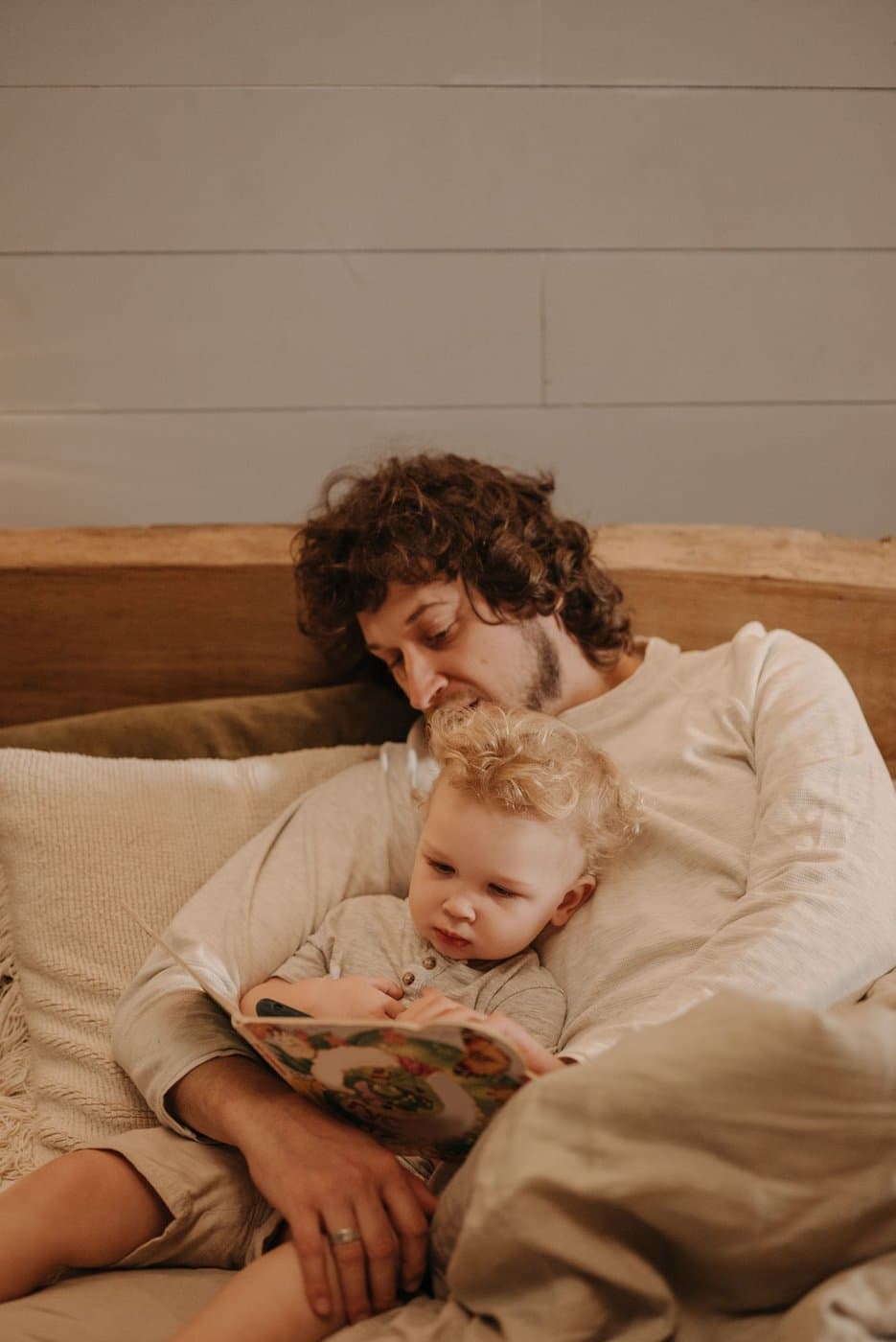
How to Keep Language Alive at Home
Practical ideas for bilingual and heritage-language families without guilt, perfectionism, or treating fluency like the only proof of love.
Leah Chen · 7 min read
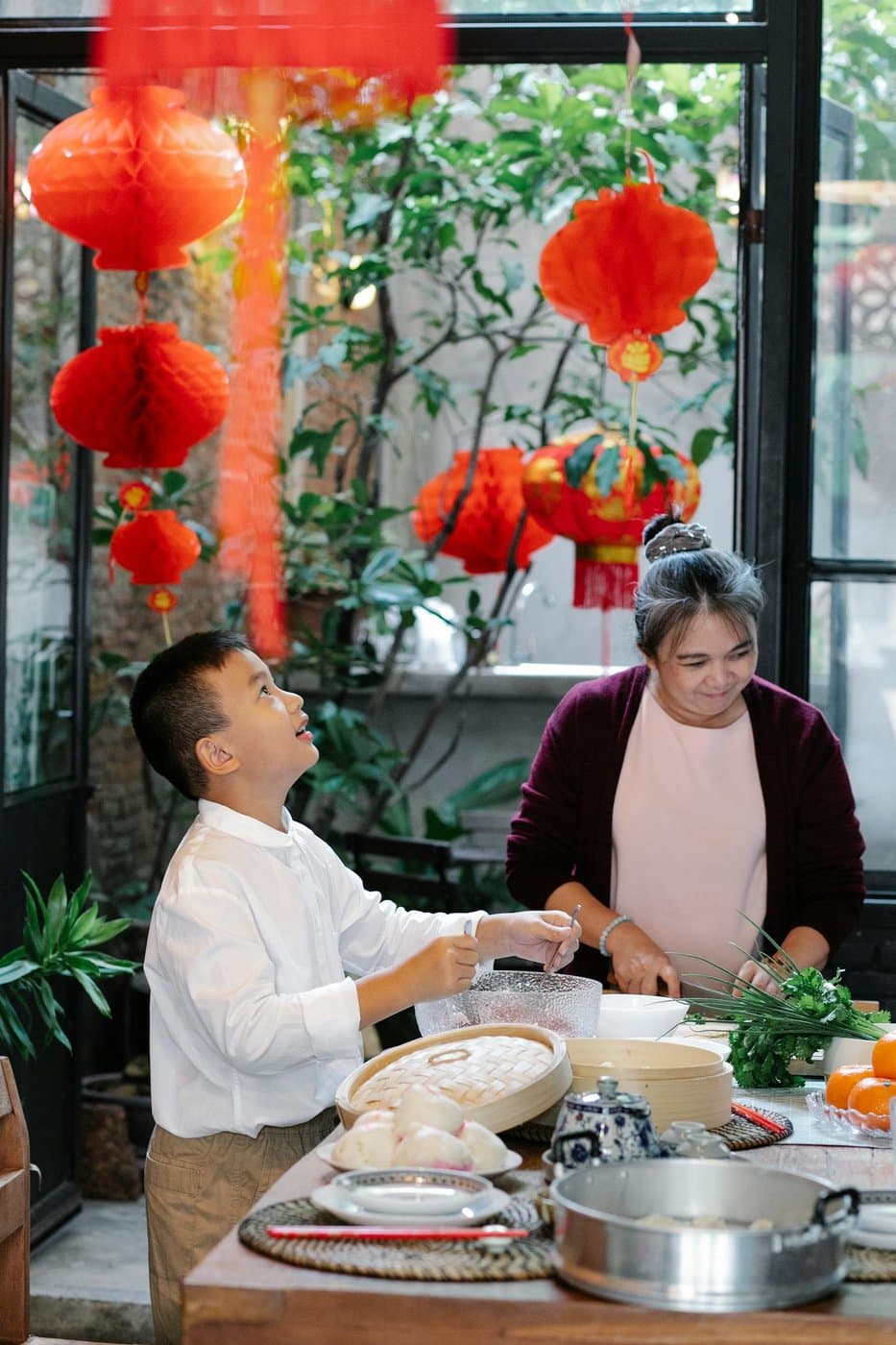
Helping Kids Get Close to a Culture You Are Reconnecting With
You may not speak the language fluently or know every ritual. You can still raise kids who feel connected to heritage you are learning alongside them.
Leah Chen · 7 min read

How to Talk About Race and Identity With Young Kids
Age-appropriate starting points for conversations about skin tone, belonging, difference, and pride without overwhelming young children or yourself.
Leah Chen · 7 min read