You want your child to speak heritage language and English without turning every bath and bedtime into a lesson. Perfection is not required for connection.
Bilingual parenting in extended families often comes with pride, pressure, and comparisons to cousins who speak more. Small daily habits can carry a lot of culture without exhausting you.
Your baby babbles in English and everyone coos. Your toddler answers a grandparent in English and the room sighs. Someone asks when you will "fix" this before school ruins everything. In multilingual Asian households, language is rarely neutral. It signals respect, belonging, and whether the next generation will still understand jokes at the dinner table.
Mixed couples feel the spotlight quickly. The parent who speaks the heritage language may carry unfair responsibility. The parent who does not may feel shut out or defensive. Relatives may praise one language while treating the other as background noise.
You can want bilingualism without accepting shame as a teaching method. Fluency is a long road. Early years are for exposure, warmth, and habits that survive busy weeks.
Choose a realistic family plan
Common approaches include one parent one language, heritage language at home, or specific contexts like meals and bedtime. The best plan is the one your household can keep when everyone is sick, working late, or visiting English-only relatives.
Talk with your partner about guilt traps: fear that English will erase culture, or fear that heritage language will slow school success. Both anxieties are common and both benefit from nuance. Many children become bilingual in messy homes, not laboratory ones.
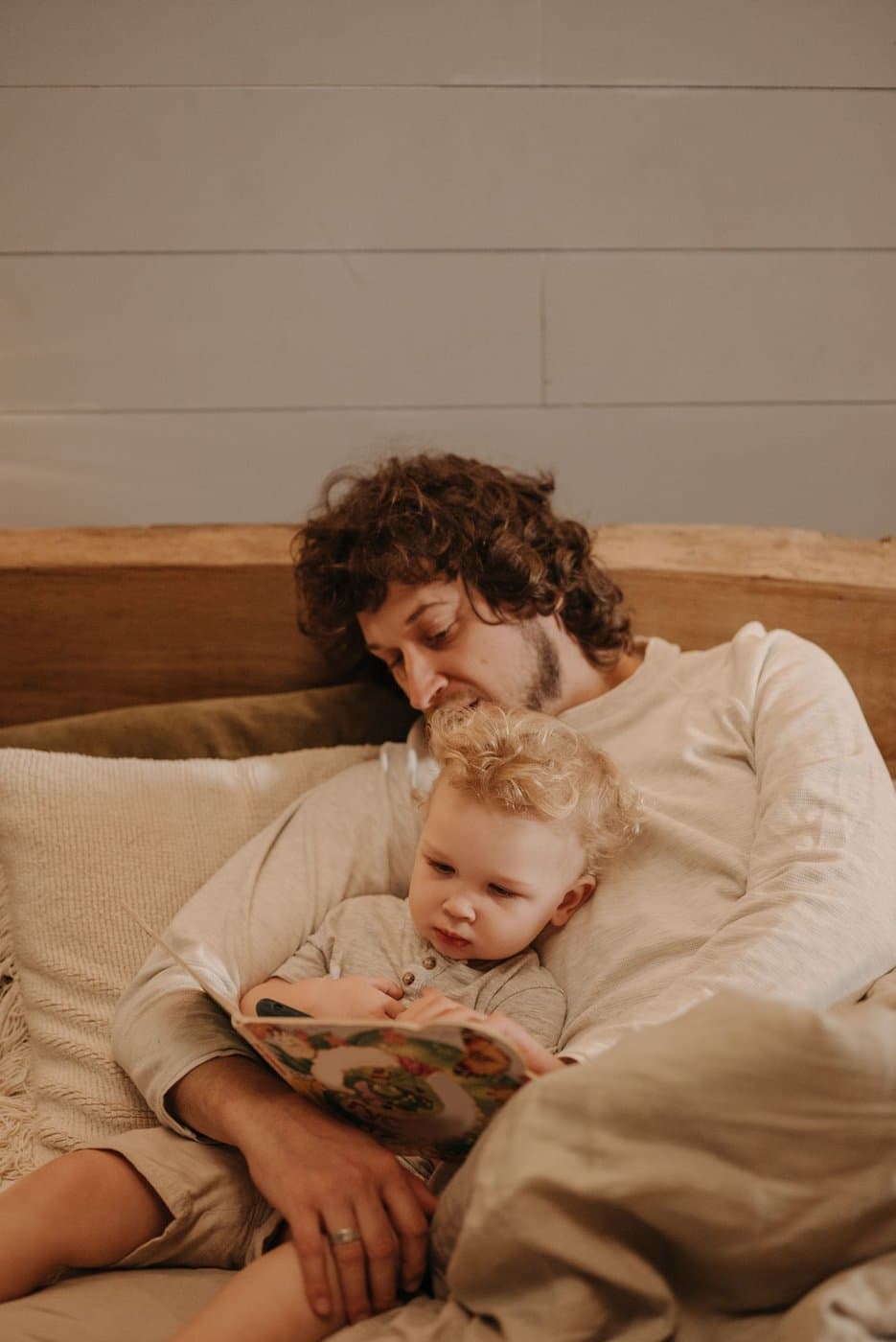
Write down three daily anchors: morning song, bath counting, bedtime story. Anchors matter more than heroic weekend lessons.
Routines that fit real life
Babies and toddlers learn through repetition and affection. Label objects during diaper changes. Name foods while cooking. Use short phrases with gestures. Video calls with grandparents can be weekly language immersion if visits are far away.
Screen time in heritage language can help tired parents, but live interaction still matters most. Choose songs and books you enjoy so the routine feels sustainable.
If you are relearning a language yourself, say so openly. "We are learning together" models courage better than pretending fluency you do not have.
Handling code-switching and mixed sentences
Young children mix languages freely. That is normal, not failure. Relatives may call it lazy or disrespectful. You can protect your child's experimentation while still offering full sentences in the heritage language yourself.
Respond to content first, then model the phrase you prefer. If your toddler says "more water" to Grandma, you can add, "You can also say más tubig" without scolding.
School will introduce English dominance for many kids. Home can remain a heritage-language zone without punishing the inevitable borrowings.
When only one parent speaks the heritage language
Solo carriers of language do extra invisible work: translating forms, explaining holidays, and fielding relatives' disappointment. Partners can support by protecting language time, learning key phrases, and refusing jokes that treat the heritage tongue as optional.
Non-speaking partners can read bilingual books, handle logistics for weekend classes, and praise effort publicly. Visibility of support reduces the lone parent's resentment.
If marriage tension rises around language, treat it as shared parenting infrastructure, not private cultural homework for one person.
Relatives, comparisons, and school fears
Cousin comparisons are brutal. "He already reads characters." "She refuses our language because you use too much English." You can decline the scoreboard. "Children learn on different timelines. We are staying consistent."
Some families rush heritage literacy before speech feels safe. Others avoid writing entirely and focus on conversation. Match choices to your child's temperament and your access to classes, tutors, or community schools.
If developmental concerns arise, consult professionals who understand bilingualism rather than assuming delay equals monolingual-only fixes.
Letting go of the fluent-by-two fantasy
Social media showcases prodigies. Real bilingual homes include monolingual weeks, regressions during moves, and teenagers who answer in English until college wakes the other tongue.
Your job in the baby years is to keep the door open: sounds, stories, relationships, and pride without perfection. Grandparents who hear attempts, not only mastery, often become allies again.
Language is one thread in identity, alongside food, faith, names, and who shows up. Weave it steadily, and forgive the loose knots.
When you are too tired to be the language police
Some weeks you will default to English because work, illness, or grief drained your bandwidth. That does not erase your plan. Resume when you can without punishing yourself.
Tell relatives the truth if they comment: "We are consistent when we can be. Nagging makes us want to hide." Most grandparents respond better to invitation than audit.
Children often surge later: a school-age burst of curiosity about characters, a teen trip that wakes childhood songs. Daily baby routines are planting, not the full harvest.
Heritage school, tutors, and budget reality
Weekend language classes can help, but they also cost money, time, and Saturday mornings your family may need for rest. If classes are not available locally, rotate video lessons with grandparents, library story hours, or community potlucks where kids hear the language in play.
Avoid comparing your setup to cousins abroad who attend immersion schools daily. Your path is shaped by zip code and work schedules, not only commitment.
Revisit the plan each season. What worked in babyhood may need new tools at toddlerhood. Flexibility keeps bilingual goals humane.
Books, songs, and screen choices
Curate media intentionally: heritage-language nursery rhymes, grandparents reading on video, podcasts while you cook. Quality beats quantity. Ten minutes of engaged song beats an hour of passive scrolling.
If relatives send clips in the target language, thank them and add them to a playlist you actually use. Visible use encourages more support.
When you need a break, allow yourself English cartoons without guilt. Bilingualism is a marathon measured in years, not a single screen-time Tuesday.
Travel back home as language immersion
A trip to grandparents can supercharge exposure if expectations stay humane. Warn elders that your child may understand more than they speak and may code-switch when overwhelmed.
Plan low-pressure immersion: market walks, temple visits, playground chatter. Avoid quizzing in front of crowds. Shame shuts mouths faster than jet lag.
Capture phrases your child picks up and repeat them back home. Travel is a boost, not the whole curriculum. Daily routines still carry the weight.
Partner buy-in when they do not speak the language
Non-speaking partners can learn ten daily phrases, read bilingual books with phonetic notes, and cheer attempts without correcting accent. Participation signals the language matters to the whole household.
Schedule monthly check-ins: Is the plan still realistic? Does the speaking parent need relief or encouragement? Resentment kills bilingual goals faster than missing vocabulary.
Celebrate small wins publicly at dinner so everyone sees progress, not only mistakes.
Naming objects during daily chores
Label what you touch: spoon, plate, shoes, water. Heritage names during laundry and dishes add minutes without a lesson plan. Toddlers absorb nouns before verbs.
Rotate which parent narrates which chore so exposure stays varied. Repetition across weeks matters more than perfect pronunciation every time.
When grandparents visit, ask them to narrate their cooking in the heritage language while your child watches. Cooking is immersion with snacks included.
Keep a short list of words your child has tried on the fridge. Progress becomes visible to you and to relatives who need proof that the plan is working.
Language grows in ordinary minutes, not only in lesson plans. A bath-time song, a grocery label, or a video call with grandparents counts. Progress is cumulative even when it looks messy week to week.