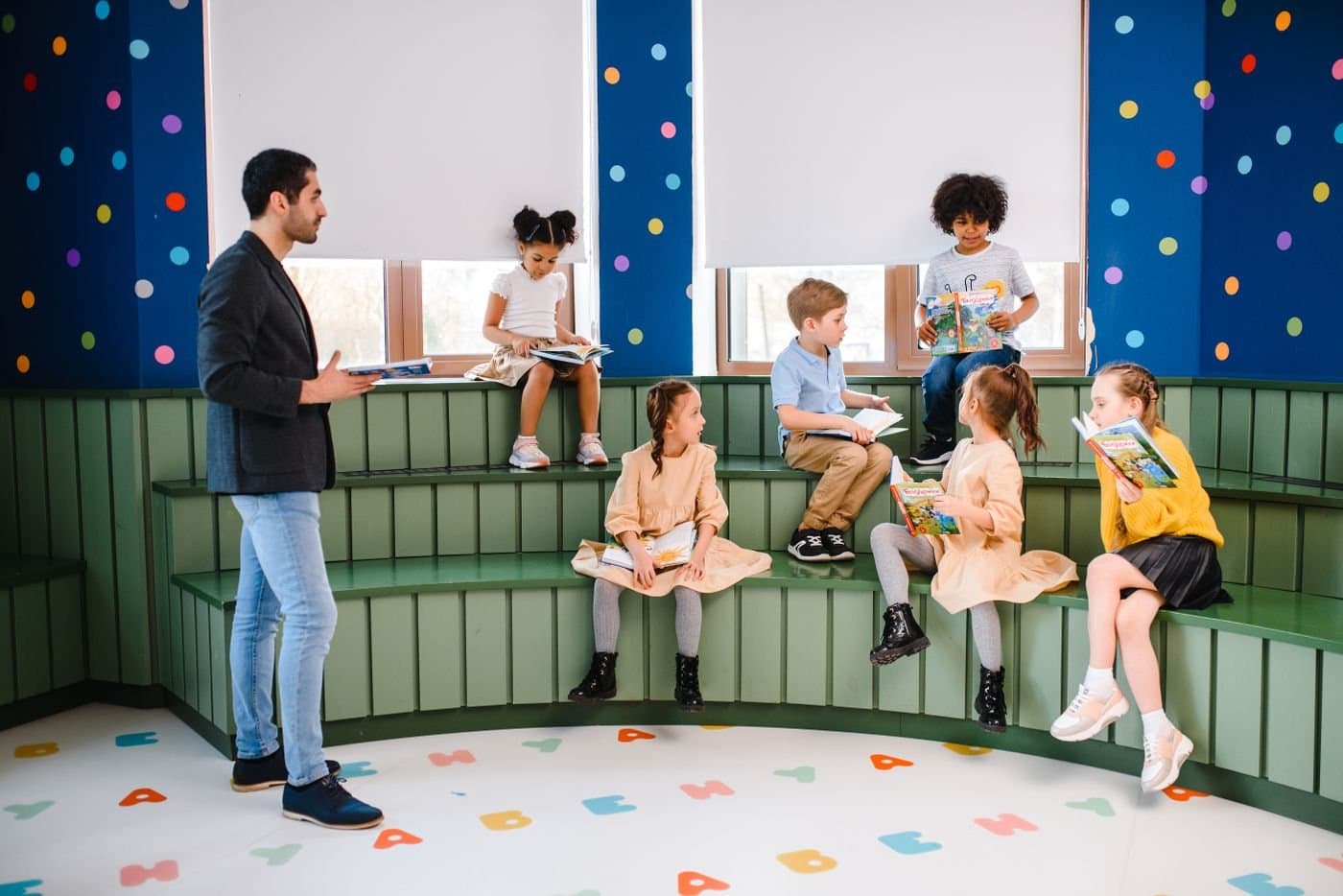
The best school on paper is not always the best school for your actual child. Academics and belonging both deserve a seat at the table.
School choice can feel like a high-stakes moral exam for parents. These questions help you weigh rigor, community, and your child's temperament together.
School choice is never only about education. In many Asian American families, it is about opportunity, status, safety, and the fear of closing doors too early. You may hear opinions from relatives before your child is even born. You may scroll forums that treat every decision like a permanent verdict.
The pressure is real. So is the fact that children are different. One kid thrives in a competitive environment. Another thrives where they know the librarian's name. One needs structure. Another needs space.
Your task is not to win a regional arms race. It is to place your child in a setting where they can learn, connect, and remain psychologically intact.
Academics: what to look at beyond rankings
Rankings are easy to compare. They are also incomplete. Look at class size, teacher turnover, availability of support services, and how the school talks about struggle. Do kids who need help get it early, or only after they fail loudly?
Ask how homework load looks at each grade. Ask how the school handles advanced learners and kids who learn differently. A rigorous school that burns children out is not rigorous in the way that matters long term.
Talk to parents if you can, especially parents of children like yours: shy kids, bilingual kids, kids with anxiety, kids who are not straight-A from day one. Data tells one story. Families tell another.
Belonging: the factor that gets underestimated
Belonging affects learning more than we admit. A child who dreads walking through the door spends energy on survival, not curiosity. Watch for diversity in staff and students, anti-bullying practices, and whether identity comes up only during heritage month.
Visit if possible. Notice hallway energy. Do adults know children's names? Do kids look relaxed? Does the school seem proud of Asian students as full participants, not only as test-score contributors?
If your child is one of few Asian kids, ask what support exists. Mentorship, affinity groups, and culturally competent counseling can matter enormously.
Family logistics and hidden costs
A school across town may look ideal until you calculate the commute, aftercare gaps, and lost evening hours. Family stress is part of the equation. So is money: fundraisers, transportation, tutoring to keep up, and social costs.
Grandparents may offer strong opinions based on reputation. Listen, then remember who will live the daily schedule. Your household's sanity counts.
If you are choosing between public, charter, private, or magnet options, compare honestly. Some private paths offer community. Others intensify pressure. Some public schools are extraordinary. Some need more parent advocacy to work well.
When your child has opinions too
Older children can tell you where they feel excited or uneasy. Take them seriously without handing them the whole decision. A tour day impression matters, especially for shy kids.
If you choose a demanding school, talk early about support systems: tutors if needed, family downtime, permission to ask for help. If you choose a gentler environment, talk about how to stay challenged without comparing constantly to cousins.
Either way, keep the conversation open after enrollment. School fit is not a one-time verdict.
Making peace with imperfect choices
You may not get every item on your list. You may choose academics now and add community through weekend programs, or choose belonging now and supplement challenge at home. Hybrid lives are normal.
If the choice proves wrong, changing course is allowed. Transferring, adjusting enrichment, or advocating more boldly inside the current school are all options.
School choice is a parenting decision, not a identity test. When you weigh academics and belonging together, you are doing what good parents have always done: looking at the whole child, not the loudest metric.
Revisit the decision each year. Children change. Schools change. A great fit in second grade may feel tight in fifth. Staying curious keeps you from defending a choice just because you already announced it at Thanksgiving.
Special considerations for immigrant and first-generation families
If English is not your first language, school systems can feel opaque. Ask for translators at tours. Bring a friend who knows the district. Write questions down so nothing gets lost in nerves.
Some families choose schools partly for ESL support, others partly to accelerate English quickly. Both paths carry tradeoffs. Be honest about which goal matters more for your child this year, not only for your family story overall.
You are allowed to ask how schools teach history, citizenship, and bullying response for Asian students specifically. Belonging is not abstract. It shows up in hallway jokes, teacher assumptions, and whether your child feels safe reporting problems.
Trusting your child's temperament in the decision
Some children thrive in competitive atmospheres. Others shut down. You know your child's sleep, sensitivity, friendships, and recovery time better than any forum post. Trust that knowledge even when relatives disagree.
Visit schools with your child when possible. Watch their shoulders, not only your checklist. Do they relax in hallways? Do they go quiet in ways that worry you?
Temperament is not destiny, but it is data. School choice works best when data from your actual child counts as much as reputation and test scores.
Magnet tests, interviews, and performance pressure
Some competitive schools require tests, portfolios, or interviews that stress young children. Ask whether the process itself fits your child's temperament. A school that screens heavily may also culture-match heavily.
Prepare without drilling humanity out of the process. Practice introductions, not perfection.
If your child does not get in, protect their dignity explicitly. Rejection at seven should not become a family legend about not being enough.
Celebrate the effort of trying. Frame outcomes as information, not verdicts. There are many paths to a good education and a grounded self.
When relatives treat admission like destiny, you can redirect. "We chose the school where they can thrive this year." Present confidence even if you are still grieving a rejection privately.
After enrollment: the first ninety days
School fit reveals itself quickly. Watch sleep, stomachaches, excitement about projects, and friend stories in the first ninety days.
Schedule a family check-in at day thirty and day sixty. What is better than expected? What is worse?
Early adjustment is not panic. It is maintenance. Small issues addressed early prevent years of friction.
Private versus public without mythmaking
Private school is not automatically safer emotionally. Public school is not automatically more real. Both can nurture. Both can harm.
Ask about discipline policies, diversity staffing, and mental health support concretely.
The right school is the one where your child can tell you the truth about their day without editing for your anxiety.
A closing reminder
No school is destiny. Your daily parenting matters more than any brochure promise or ranking list.
Choose with care, then keep adjusting as your child grows. Flexibility is wisdom, not failure.
Commute time is family time or lost time
Calculate commute honestly. Thirty minutes each way is an hour daily, five hours weekly, twenty hours monthly. That time could be dinner, reading, or rest.
Sometimes a slightly less prestigious school closer to home produces a healthier child. That trade is not laziness. It is design.
Include your child in noticing how they feel after commute days versus walkable days if you are testing options.
Special interests and school fit
A child obsessed with robotics, theater, or swimming may thrive where that program is strong even if overall rankings are lower.
Passion creates belonging faster than generic prestige.
Ask schools about clubs, coaches, and performance opportunities, not only test scores.