
Parenting in Asian and Black families
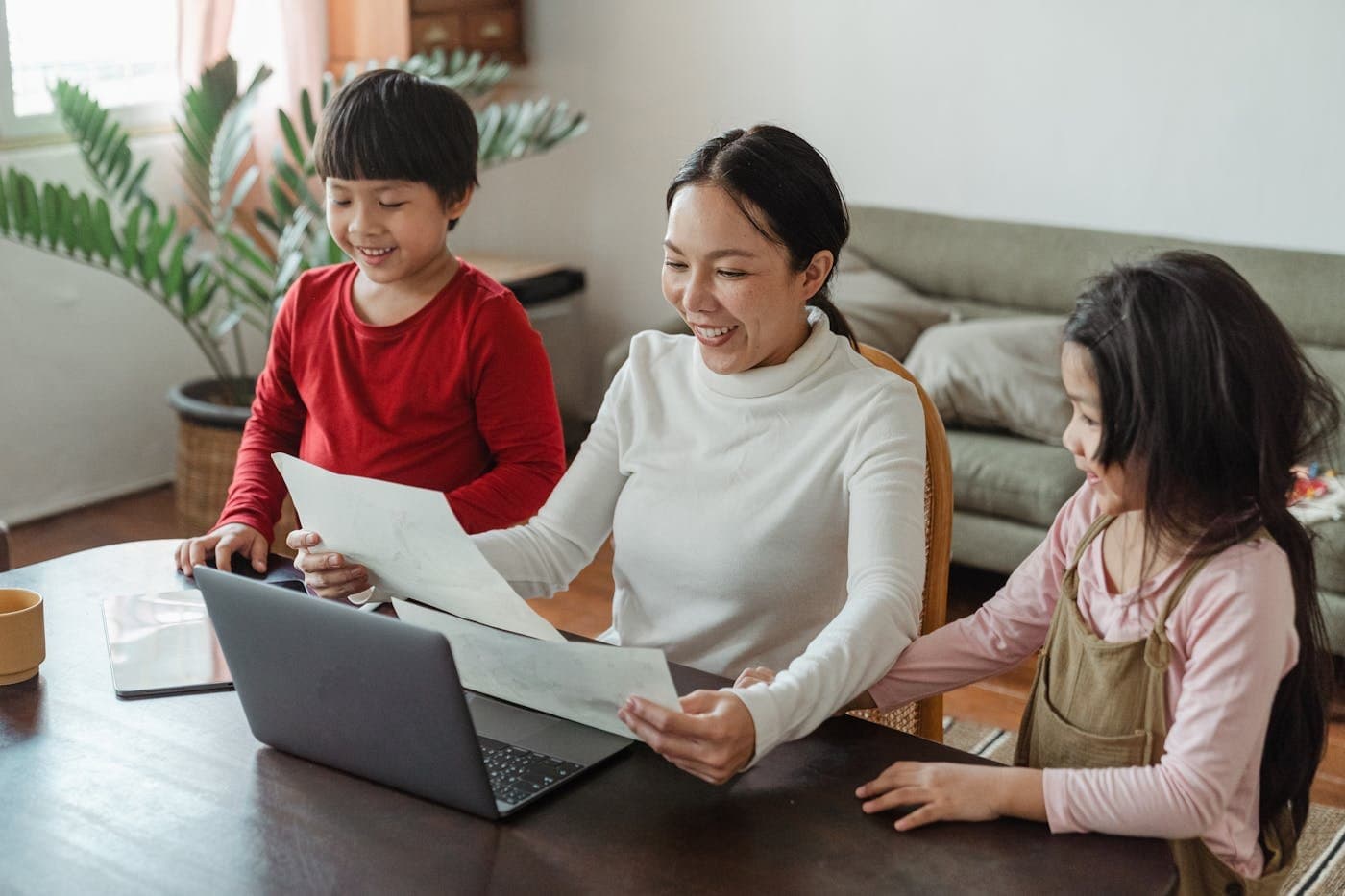
What may come up in family life
- Dual heritage pride without pressure to choose
- Colorism from Asian relatives and broader society
- Hair care, skin tone talk, and body respect
- Anti-Black and anti-Asian racism with kids
- Extended family bias on both sides
- Finding community beyond either single group
Language and food
Food traditions from Korean, Filipino, South Asian, or other Asian heritages can live alongside Black Southern, Caribbean, or African diaspora cooking in one kitchen. Let both parents lead recipes they know. Language exposure may include heritage Asian languages, African diaspora languages, or primarily English. Value each thread. Avoid treating one cuisine as weekday normal and the other as special occasion only. Natural hair care and Asian food prep both belong in weekly routine for all caregivers, not only one parent. Wash day and dumpling day can both be sacred weekly rituals led by whichever parent knows that craft best. Teach both lineages civil rights and liberation history as kids mature beyond simplified school units alone. Small repeatable rituals beat rare cultural performances that exhaust everyone. Let kids lead one choice each month, from recipe to music to holiday decoration. Rotate who chooses dinner music or weekend outing culture so no heritage feels like homework for only one parent or child. School lunch and party seasons need planning for dietary and modesty needs. Notify teachers early with simple notes your child can repeat. Grandparents overseas can record recipe videos for playback during cooking nights when live calls are hard to schedule across time zones. There is no single correct pace for passing down culture across generations in North America.
Grandparents and expectations
Asian grandparents may express colorism or discomfort that requires immediate correction. Black grandparents may hold their own biases about Asian partners or cultures. Partners must address their respective families directly. Do not leave children to absorb hurtful comments silently. Mixed Black Asian kids need adults who affirm every part of them, especially when relatives fail. Prepare kids before family events where colorism might appear. Exit plans are valid. Never compare siblings skin tone aloud. Correct hair touching from strangers and relatives immediately every time. Prepare exit plans before family events where colorism might appear. Debrief drives home afterward every time early on. Gratitude and boundaries can coexist. Thank elders for sacrifice while naming what your children need now before conflict peaks at gatherings. When elders visit long term, renegotiate house rules kindly at the midpoint of the stay so resentment does not build silently. Cousin comparison and WhatsApp group chatter hurt silently. Mute threads or set boundaries when praise becomes a ranking system for children. When relatives ask intrusive questions at checkout lines or family dinners, practice short answers your child chooses in advance. Start where you are with what you have. Neighbors, online groups, and one elder on video call can anchor a childhood.
School and identity
School peers may force false choices about identity. Teach children history of Afro-Asian solidarity and family-specific stories. Discuss police violence, bullying, and model minority myths in age-appropriate ways. Seek mentors and media that reflect Afro-Asian experiences, which remain underrepresented. Advocate when staff categorize your child incorrectly or dismiss experiences of racism. Discuss both Black History Month and Asian American heritage months as family history. Afro-Asian online communities provide mirror experiences when local friends lack them. Discuss both anti-Black and anti-Asian slurs kids might hear before incidents happen. Hair discrimination policies at school matter for Afro-Asian kids. Know your district rules and advocate early. Belonging grows through steady adult curiosity about daily life, not only through heritage classes or grades alone. Ask teachers to pronounce names correctly and include your child whole story when diversity units flatten Asian experience into one slide. Identity language may change each year. That is normal, not betrayal of either parent or community. Steady warmth over years matters more than perfect fluency or performance for relatives. Consistency over perfection builds belonging that lasts into adulthood when kids feel seen at home first.
Recommended guides
A few starting points from our library for this part of family life.
How to Talk About Race and Identity With Young Kids
Age-appropriate starting points for conversations about skin tone, belonging, difference, and pride without overwhelming young children or yourself.
Leah Chen · 6 min read

Raising Girls in Families Where Colorism and Beauty Standards Run Deep
Fair skin, long hair, slim bodies: beauty messages start young in many Asian families. How to raise girls who know they are more than a mirror score.
Anjali Mehta · 6 min read
How to Teach Kids to Care for Their Bodies Without Shame
Hygiene, health, puberty, and safety without the cringe, the fear, or the silence many of us inherited from families that never named bodies plainly.
Nadia Rahman · 6 min read
Raising Mixed Kids When Relatives Make Clumsy Comments
Aunties mean well. Cousins joke. Grandparents forget filters. Here is how to protect your child without cutting off the whole family tree.
Leah Chen · 7 min read

Raising Kids With More Than One Culture
Helping children feel whole across cultures, skin tones, languages, and family backgrounds without treating identity like a checklist to finish by age ten.
Leah Chen · 6 min read

A Gentle Guide to Mixed-Family Parenting
For families blending cultures, races, and traditions with room for imperfection, growth, and a lot less performance than Instagram suggests.
Leah Chen · 6 min read
When Your Child Is the Only Asian Kid in Class
Being the only one is a common experience for Asian American kids. Here is how to support identity, belonging, and everyday confidence at school.
Mina Han · 6 min read