
Parenting in Asian and Latino families

What may come up in family life
- Spanish, heritage Asian languages, and English at home
- Quinceañera, Lunar New Year, and blended celebrations
- Immigration stories from different continents
- Latino and Asian extended family expectations
- Color, appearance, and belonging questions
- Finding peers who share blended backgrounds
Language and food
Multilingual homes thrive on routine, not guilt. Rotate songs, shows, and bedtime phrases in Spanish and Asian heritage languages. Both parents can participate even with beginner skill. Food is an easy joy: lumpia and tamales, pho and pozole, biryani and arroz con pollo can coexist on the same table. Let kids invent fusion favorites that become your family signature. Dia de los Muertos and Lunar New Year can both be home holidays without competition. Hot sauce and fish sauce on the same table symbolize home for many blended families. Bilingual music playlists at home normalize all tongues without ranking one as educational and the other as fun. Tamale making and dumpling folding in one kitchen creates new family lore worth recording in photos and notes. Small repeatable rituals beat rare cultural performances that exhaust everyone. Let kids lead one choice each month, from recipe to music to holiday decoration. Rotate who chooses dinner music or weekend outing culture so no heritage feels like homework for only one parent or child. School lunch and party seasons need planning for dietary and modesty needs. Notify teachers early with simple notes your child can repeat. Grandparents overseas can record recipe videos for playback during cooking nights when live calls are hard to schedule across time zones. There is no single correct pace for passing down culture across generations in North America.
Grandparents and expectations
Latino and Asian elders may share strong opinions about gender, faith, and marriage. They may also offer incredible childcare and warmth. Align as partners before large gatherings. Respond when either side makes xenophobic or colorist comments about your partner or child. Mixed kids should never translate adult conflict. Immigration stories from Mexico and from Asia both deserve telling without ranking hardship. Quinceañera and coming-of-age Asian rituals may collide in timing and cost. Budget early. Deportation fear in Latino family may parallel immigration stress on Asian side. Support both without comparing suffering in front of kids. Schedule separate weekly calls with Latino and Asian grandparents when time zones differ widely. Gratitude and boundaries can coexist. Thank elders for sacrifice while naming what your children need now before conflict peaks at gatherings. When elders visit long term, renegotiate house rules kindly at the midpoint of the stay so resentment does not build silently. Cousin comparison and WhatsApp group chatter hurt silently. Mute threads or set boundaries when praise becomes a ranking system for children. When relatives ask intrusive questions at checkout lines or family dinners, practice short answers your child chooses in advance. Start where you are with what you have. Neighbors, online groups, and one elder on video call can anchor a childhood.
School and identity
Schools may recognize only one heritage on forms or in classroom discussions. Help your child decide how to describe themselves. Connect with other multiracial families when possible. Discuss both anti-Asian and anti-Latino racism. Celebrate public figures and stories that reflect Asian Latino lives, even when representation is sparse. Latinx and Asian affinity groups may both feel partially fitting. Help kids know partial fit is common. Dual language programs may fit one language better than another. Supplement at home for the language school skips. Parent teacher conferences may need bilingual clarification for both sides of family. ESL labeling may misidentify fluent English speakers. Correct records when wrong. Latinx and Asian student groups may both feel partial. Encourage trying both without forcing fit in one box. Belonging grows through steady adult curiosity about daily life, not only through heritage classes or grades alone. Ask teachers to pronounce names correctly and include your child whole story when diversity units flatten Asian experience into one slide. Identity language may change each year. That is normal, not betrayal of either parent or community. Steady warmth over years matters more than perfect fluency or performance for relatives.
Recommended guides
A few starting points from our library for this part of family life.

Raising Kids With More Than One Culture
Helping children feel whole across cultures, skin tones, languages, and family backgrounds without treating identity like a checklist to finish by age ten.
Leah Chen · 6 min read

Which Holidays Do We Celebrate?
Lunar New Year, Christmas, Diwali, Thanksgiving, Eid: mixed families often inherit more than one calendar. How to choose without guilt or exhaustion.
Leah Chen · 6 min read
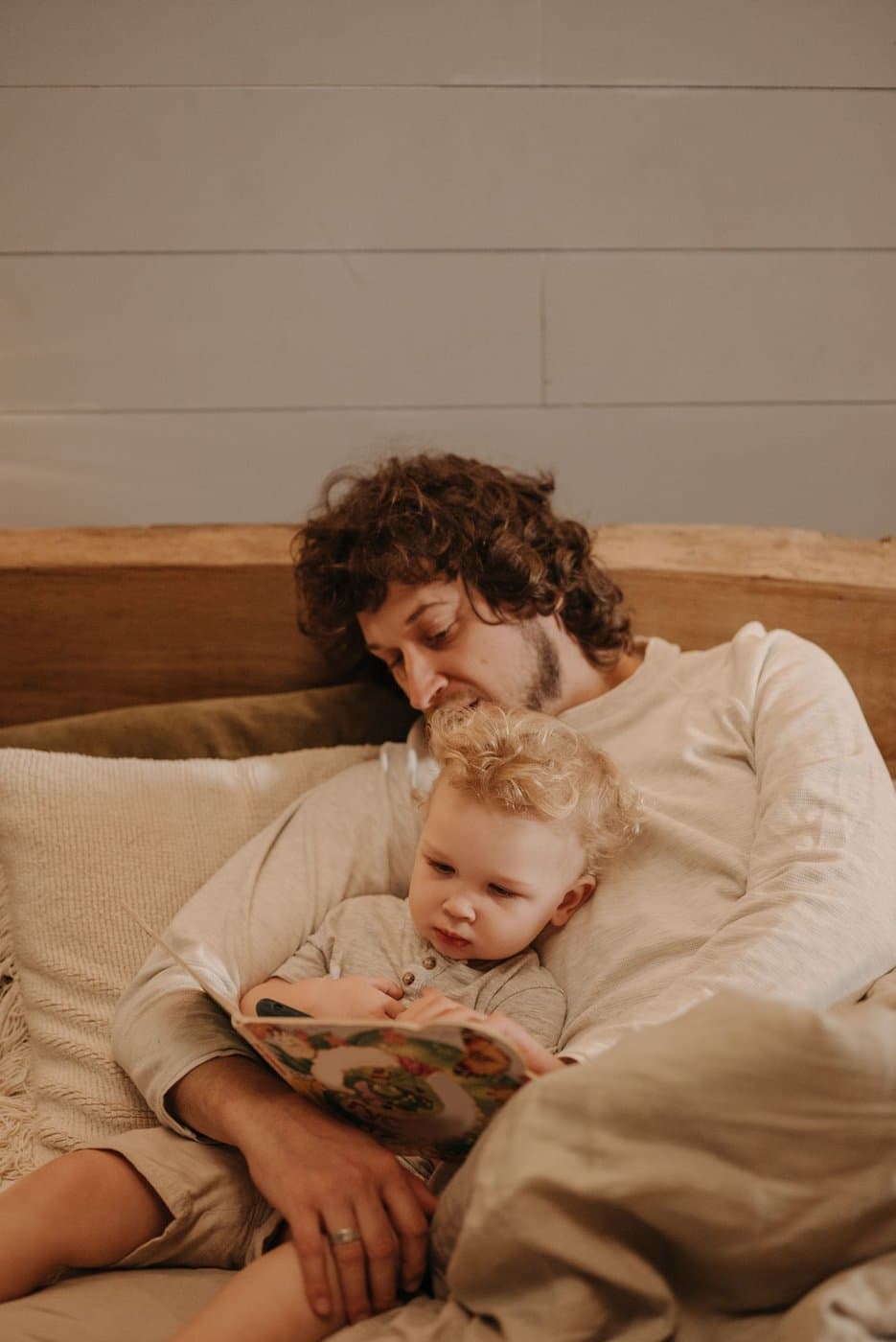
How to Keep Language Alive at Home
Practical ideas for bilingual and heritage-language families without guilt, perfectionism, or treating fluency like the only proof of love.
Leah Chen · 7 min read
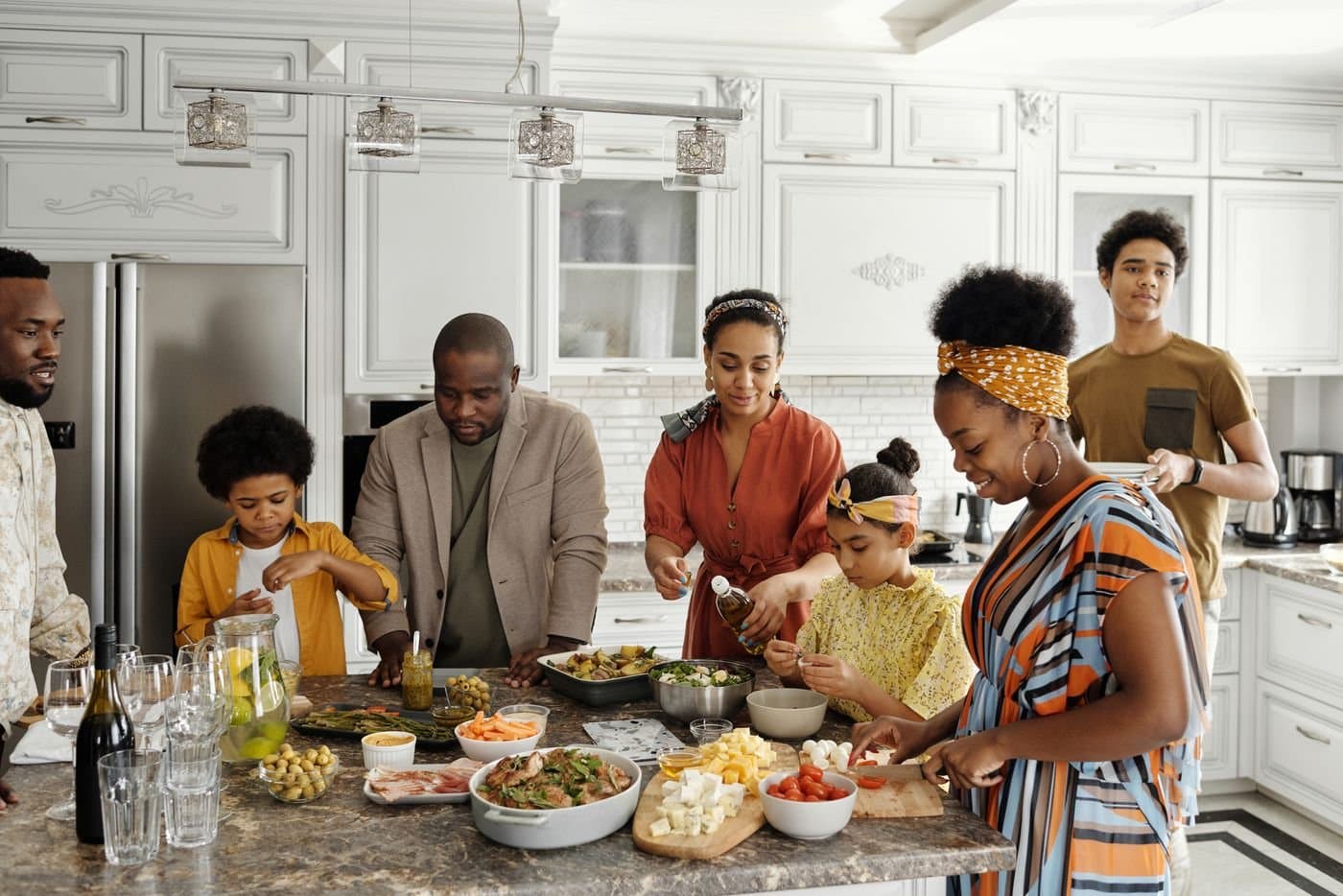
Raising Mixed Kids When Relatives Make Clumsy Comments
Aunties mean well. Cousins joke. Grandparents forget filters. Here is how to protect your child without cutting off the whole family tree.
Leah Chen · 7 min read
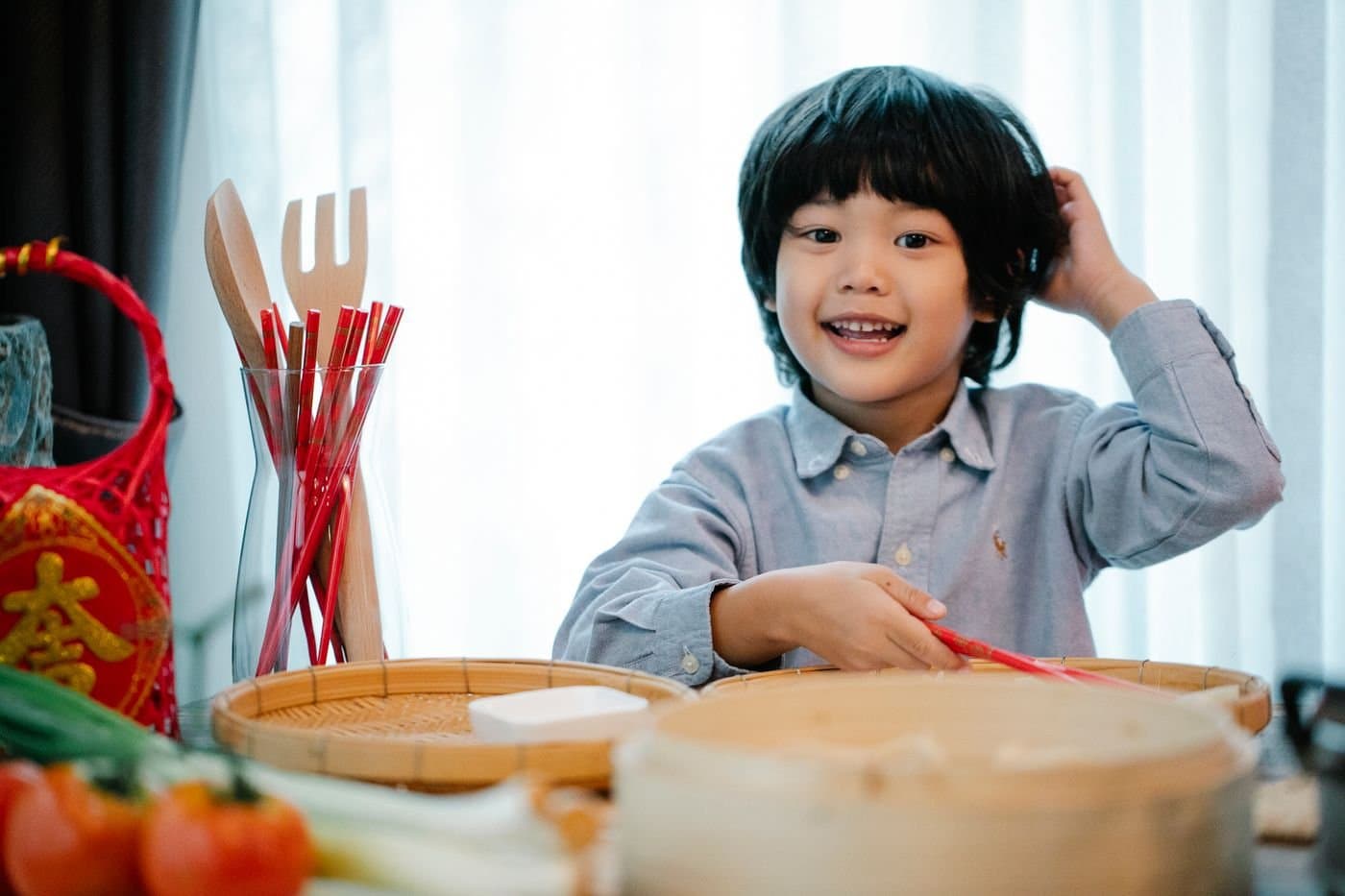
Building Family Traditions That Actually Fit Your Life
Creating rituals that honor your heritage without feeling performative, exhausting, or like you are failing a test every holiday season.
Yumi Sato · 7 min read

How to Talk About Race and Identity With Young Kids
Age-appropriate starting points for conversations about skin tone, belonging, difference, and pride without overwhelming young children or yourself.
Leah Chen · 6 min read

When Your Non-Asian Partner Doesn't Share Your Family Obligation
You were raised to show up for elders. Your partner was raised to build a separate household. Neither is wrong, but the gap can feel lonely.
Leah Chen · 6 min read