
Parenting in interfaith Asian families

What may come up in family life
- Choosing which rituals to share with children
- Dietary laws, modesty, and school accommodations
- Grandparents and faith-based expectations
- Talking about God, prayer, and doubt age appropriately
- Partner alignment before high-stakes holidays
- Mixed race and interfaith overlap
Language and food
Faith and food intersect for many Asian families: halal, kosher, vegetarian, or festival-specific meals. Plan ahead for school events and birthday parties. Teach children simple explanations they can use with friends. Language of prayer and scripture may differ from conversational heritage speech. Exposure without pressure allows kids to ask questions as they grow. Recipe swaps between faith traditions build respect better than debate at the table. Interfaith potlucks with friends teach kids they are not alone in blended ritual calendars. Label holiday foods with short faith notes so choices feel informed, not random, for young children. Small repeatable rituals beat rare cultural performances that exhaust everyone. Let kids lead one choice each month, from recipe to music to holiday decoration. Rotate who chooses dinner music or weekend outing culture so no heritage feels like homework for only one parent or child. School lunch and party seasons need planning for dietary and modesty needs. Notify teachers early with simple notes your child can repeat. Grandparents overseas can record recipe videos for playback during cooking nights when live calls are hard to schedule across time zones.
Grandparents and expectations
Faith disagreements intensify around naming, baptism, circumcision, and holiday attendance. Decide privately as partners before announcing choices. Grandparents may grieve when traditions are not passed down exactly as they remember. Acknowledge feeling while holding boundaries. Avoid forcing children into public performances of belief they do not understand. Agree as partners on medical and ritual decisions before birth when possible. Baptism and naming arguments are surmountable with mediator friends if needed. Holiday overload burns kids out. Choose anchor observances and skip the rest guilt-free. Ritual disagreements about birth rites need partner unity before the hospital stay begins. Gratitude and boundaries can coexist. Thank elders for sacrifice while naming what your children need now before conflict peaks at gatherings. When elders visit long term, renegotiate house rules kindly at the midpoint of the stay so resentment does not build silently. Cousin comparison and WhatsApp group chatter hurt silently. Mute threads or set boundaries when praise becomes a ranking system for children. When relatives ask intrusive questions at checkout lines or family dinners, practice short answers your child chooses in advance.
School and identity
Children from interfaith Asian homes may need excused absences for Diwali, Eid, Lunar New Year, or other observances. Notify teachers early. Peers may ask blunt religious questions. Prepare answers that match your family's honesty level. When faith is invisible at school, kids can feel alone. Seek communities that welcome questions rather than certainty. Teach kids they can respect friends' faiths without agreeing. Guidance counselors unfamiliar with Eid or Diwali need education packets from you early. Excused religious absences should be documented each semester without apology. Classmates may ask why you celebrate everything or nothing. Help kids answer briefly without debating doctrine at lunch. Belonging grows through steady adult curiosity about daily life, not only through heritage classes or grades alone. Ask teachers to pronounce names correctly and include your child whole story when diversity units flatten Asian experience into one slide. Identity language may change each year. That is normal, not betrayal of either parent or community.
Mixed and multiracial family notes
Interfaith parenting often overlaps with intercultural and interracial marriage. Separate faith decisions from food, language, and race so children receive clear messages about each. Partners should attend each other's major holidays as support, not conversion pressure.
Recommended guides
A few starting points from our library for this part of family life.
Which Holidays Do We Celebrate?
Lunar New Year, Christmas, Diwali, Thanksgiving, Eid: mixed families often inherit more than one calendar. How to choose without guilt or exhaustion.
Leah Chen · 6 min read

Raising Kids With More Than One Culture
Helping children feel whole across cultures, skin tones, languages, and family backgrounds without treating identity like a checklist to finish by age ten.
Leah Chen · 6 min read

When Your Non-Asian Partner Doesn't Share Your Family Obligation
You were raised to show up for elders. Your partner was raised to build a separate household. Neither is wrong, but the gap can feel lonely.
Leah Chen · 6 min read
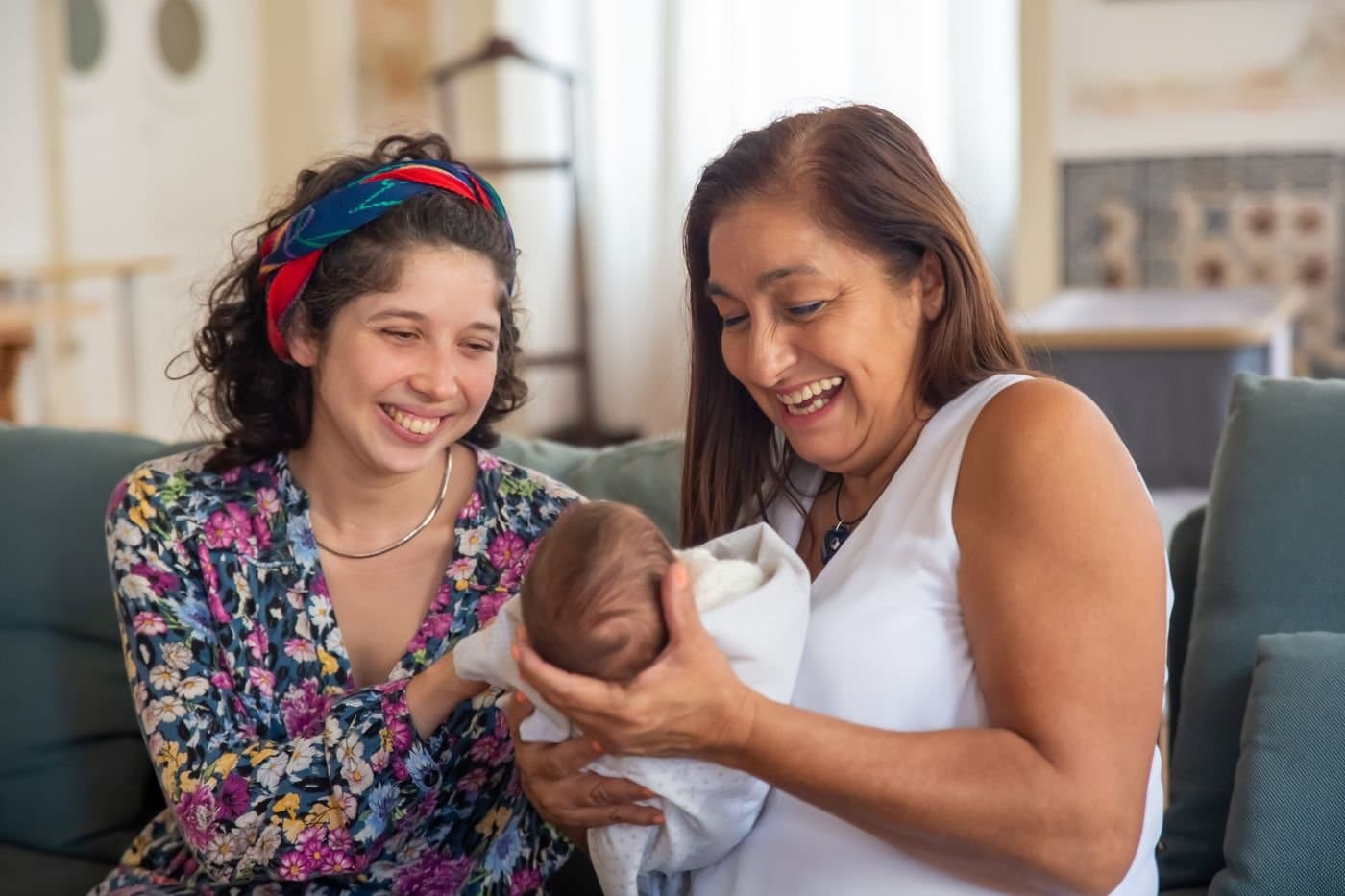
How to Set Boundaries With Grandparents
When grandparents want to help and you need space, a framework for respectful, clear conversations that protect both love and autonomy.
Mina Han · 7 min read
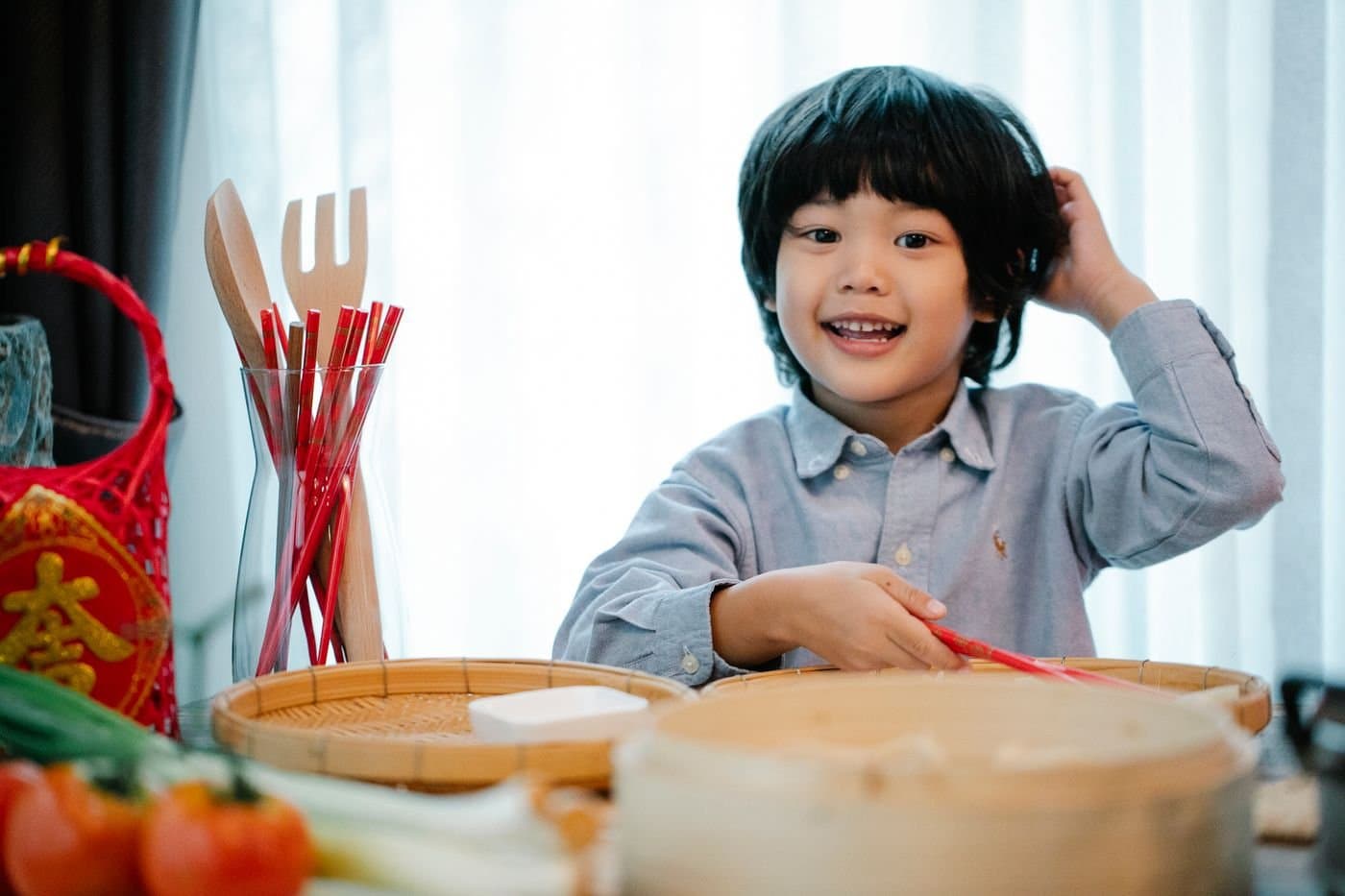
Building Family Traditions That Actually Fit Your Life
Creating rituals that honor your heritage without feeling performative, exhausting, or like you are failing a test every holiday season.
Yumi Sato · 7 min read

When Baby Celebration Expectations Do Not Match
Baby showers, gender reveals, full moon parties, and baptisms: how to navigate different celebration scripts without a family blowup.
Sofia Reyes Tan · 6 min read

A Gentle Guide to Mixed-Family Parenting
For families blending cultures, races, and traditions with room for imperfection, growth, and a lot less performance than Instagram suggests.
Leah Chen · 6 min read