A culturally warm home is not necessarily filled with souvenirs. It is a place where a child can relax and still sense belonging. Maybe that is a shoe shelf near the door, a rice cooker on the counter, holiday linens in a basket, or family photos that include elders overseas on video calls.
Warmth is lived. Food smells, language heard, music chosen, books within reach. A minimalist apartment can still feel deeply Japanese, Indian, Vietnamese, or Korean if daily life is honest.
Clutter, on the other hand, is what happens when guilt or performance takes over. When every gift from relatives must stay visible. When you buy decor to prove heritage you are still learning. That can make home feel busy instead of welcoming.
Start with function, then beauty
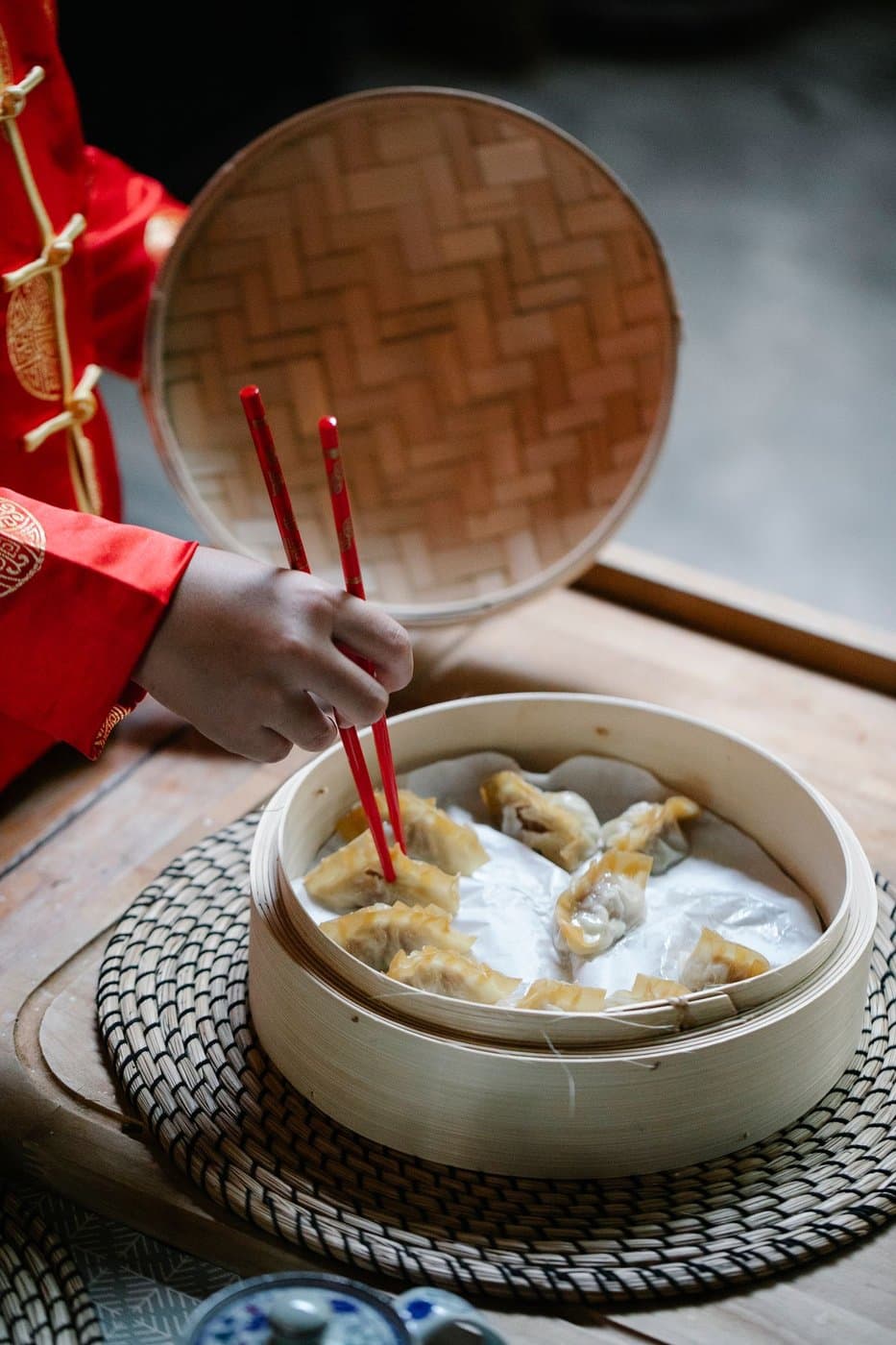
Ask what your family actually uses. Chopsticks in a cup. A spice drawer that gets opened daily. A low shelf for children's bilingual books. A calendar that marks lunar holidays. Function creates authenticity faster than display.
Choose one entryway ritual: indoor slippers, a bench for bags, a hook for school lanyards. Entryways teach children how this household moves between worlds.
If you are in a mixed family, combine without competing. Two traditions can share wall space. Alternate holiday decorations. Let your child curate one shelf that shows their whole story.
Managing gifts and relative generosity
Relatives often express love through objects: vases, wall hangings, figurines, extra dishes. Gratitude does not require displaying everything at once. Thank warmly, use what fits, store what does not, rotate seasonally.
If a relative visits often, keep one visible item they gave you. That honors relationship without turning your home into storage for other people's anxiety about assimilation.
Talk with your partner about shared standards. One person's meaningful altar is another person's visual noise. Negotiate with respect.
Creating calm for sensitive kids
Some children need visual calm to recover from loud school days. You can keep culture present through textiles, nightly routines, and kitchen habits rather than crowded walls.
Soft lighting, a dedicated reading corner, and a small number of cherished objects can feel more grounding than a room full of heritage symbols a child does not understand yet.
Explain choices when kids ask. "This bowl was your grandma's. We keep it here because it reminds us of her." Meaning lands deeper than quantity.
Digital warmth counts too
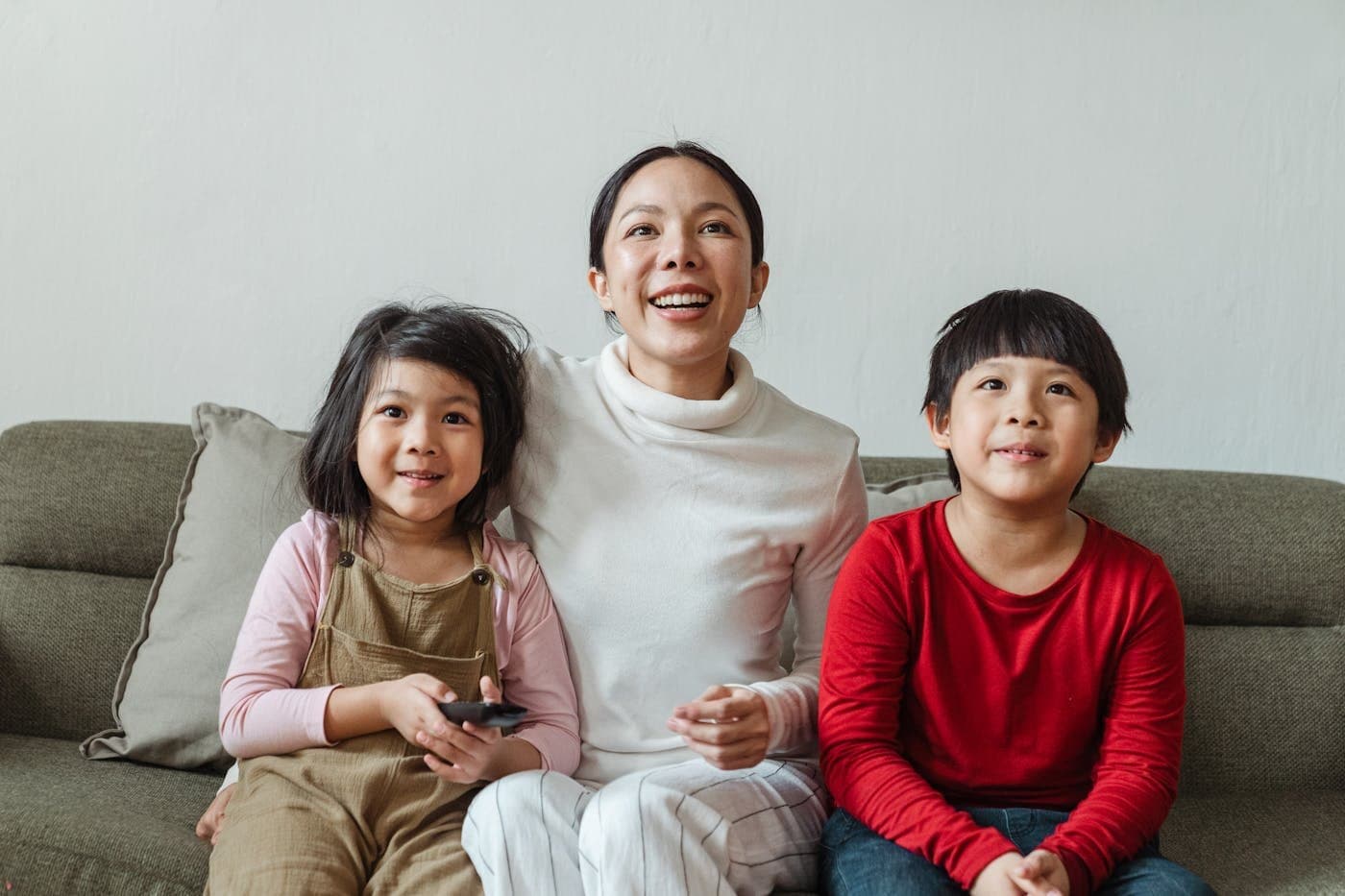
Screens are part of home culture now. Playlists, video calls, shows in heritage languages, and photos on a digital frame can all create belonging. A weekly call with grandparents may shape identity more than another wall print.
Curate what your child sees online in your home. Follow accounts that reflect Asian families with dignity and joy, not only struggle or stereotype.
Digital rituals can be simple: Sunday morning music from one country, Friday movie night from another, birthday videos edited with elders' voices.
Letting your home evolve
Children grow. Tastes change. A toddler's board books become a tween's posters. Your home can evolve without betraying culture. Update objects as your family's story updates.
If you are rebuilding connection to heritage as an adult, go slowly. One recipe, one book, one holiday practiced well. Your sincerity matters more than expert-level performance.
A culturally warm, uncluttered home tells your child: you belong here, you can breathe here, and our story has room to keep unfolding.
Invite your child to help rearrange one corner each season. Ownership makes culture feel chosen instead of imposed.
Renting, small spaces, and temporary homes
You do not need a owned house to create warmth. Removable hooks, a folding altar cloth, a favorite spice tin, and bilingual library books travel well. Culture can live in suitcases when jobs or visas move you.
If landlords restrict nails or candles, adapt. Washi tape frames, battery candles, and fabric on a shelf can still mark holidays. Children remember intention more than square footage.
When you eventually settle longer, you will know which objects truly matter because you carried them through the lean years. That knowledge keeps future homes honest and uncluttered.
Smell, sound, and light as cultural cues
Culture is sensory. A familiar spice smell when the door opens. Weekend music from a specific playlist. Soft lamp light during evening tea. These cues tell the body it is home before the mind explains why.
Choose one scent and one sound anchor for your household. Repeat them on hard weeks when you cannot decorate or cook elaborately.
Children register atmosphere deeply. A calm, scented, musical home can hold heritage even when shelves are sparse.
Rotating displays instead of permanent clutter
Choose one shelf or ledge for rotating cultural objects. Change items seasonally. Rotation keeps memory fresh and surfaces calm.
Involve kids in choosing what is on display this month.
A home that rotates tells children culture is alive, not frozen behind glass.
Store off-season items in labeled bins so swapping takes minutes, not an afternoon. Systems protect warmth from turning into chaos.
Visitors may ask about a new object on the shelf. Your child gets to answer. That is quiet confidence building.
Closet culture: textiles and linens
Textiles store culture efficiently. A folded quilt, holiday table runner, or embroidered pillow can mark season without cluttering walls.
Let kids choose which textile comes out this month.
Fabric is memory you can fold away when you need visual quiet.
Minimalism and heritage are not enemies
You can own less and still feel culturally rich. Choose objects with stories. Let go of objects with only obligation.
Ask of each item: Does it help us live, or does it make us perform?
A warm home is curated, not crowded.
A closing reminder
Warmth is a feeling your child carries, not a shelf they dust.
Curate with love and let the rest go. Your home can breathe and still belong.
Plants, herbs, and living culture
A small herb pot of scallion, shiso, or basil is living culture in the kitchen. Kids water it. Parents cook with it.
Living plants change daily. Objects on shelves do not.
Green growing things make heritage feel current rather than museumed.
Kids need blank space too
Leave some walls empty. Leave some afternoons quiet. Culture needs negative space like art.
Overfilling home with meaning can feel like pressure.
Breathing room helps children find their own relationship to heritage.
One beautiful everyday object
Choose one everyday object that is beautiful and used: a rice bowl, tea cup, or serving spoon. Quality over quantity.
Daily use makes culture tactile.
One beloved bowl can anchor a childhood more than a shelf of untouched decor.
Nighttime lighting and calm corners
A reading lamp with a bilingual book beside a soft chair can be the warmest corner in the house.
Light and quiet matter for regulation after loud school days.
Calm corners are cultural when they include heritage books, music, or prayer items that feel safe.
Garage and storage realism
Not every cultural object belongs in daily view. Label storage bins by holiday or relative. Pull items intentionally.
Stored with care is not hidden with shame.
Rotation keeps memory alive without visual overload.
Soundtrack of home
Keep a short playlist of songs from your heritage that play during Saturday cleaning or Sunday cooking.
Music makes culture ambient.
Kids may roll their eyes and still hum later.