School lunch is social. Kids notice smells, shapes, and what gets called weird. For Asian American children, lunch can be a daily test of confidence. A warm note in the box will not stop every comment, but familiar food can steady a child before afternoon classes.
You may also be packing while rushing, half-awake, and already bracing for pickup chaos. Mornings are not moral exams. If some days are granola bars and fruit, you are still parenting.
Still, when you can offer food that tastes like home, you are doing more than feeding. You are sending culture in a container.
Make mornings easier the night before
The best lunch system is mostly assembled at 8 p.m. Cook extra rice. Portion leftovers. Wash fruit. Fill small sauce containers. Label reusable boxes if your school requires it.
Keep a lunch shelf in the fridge with items your child actually eats. Involve them in Sunday planning if they are old enough. "Pick two fruits. Pick one protein." Choice reduces battles.
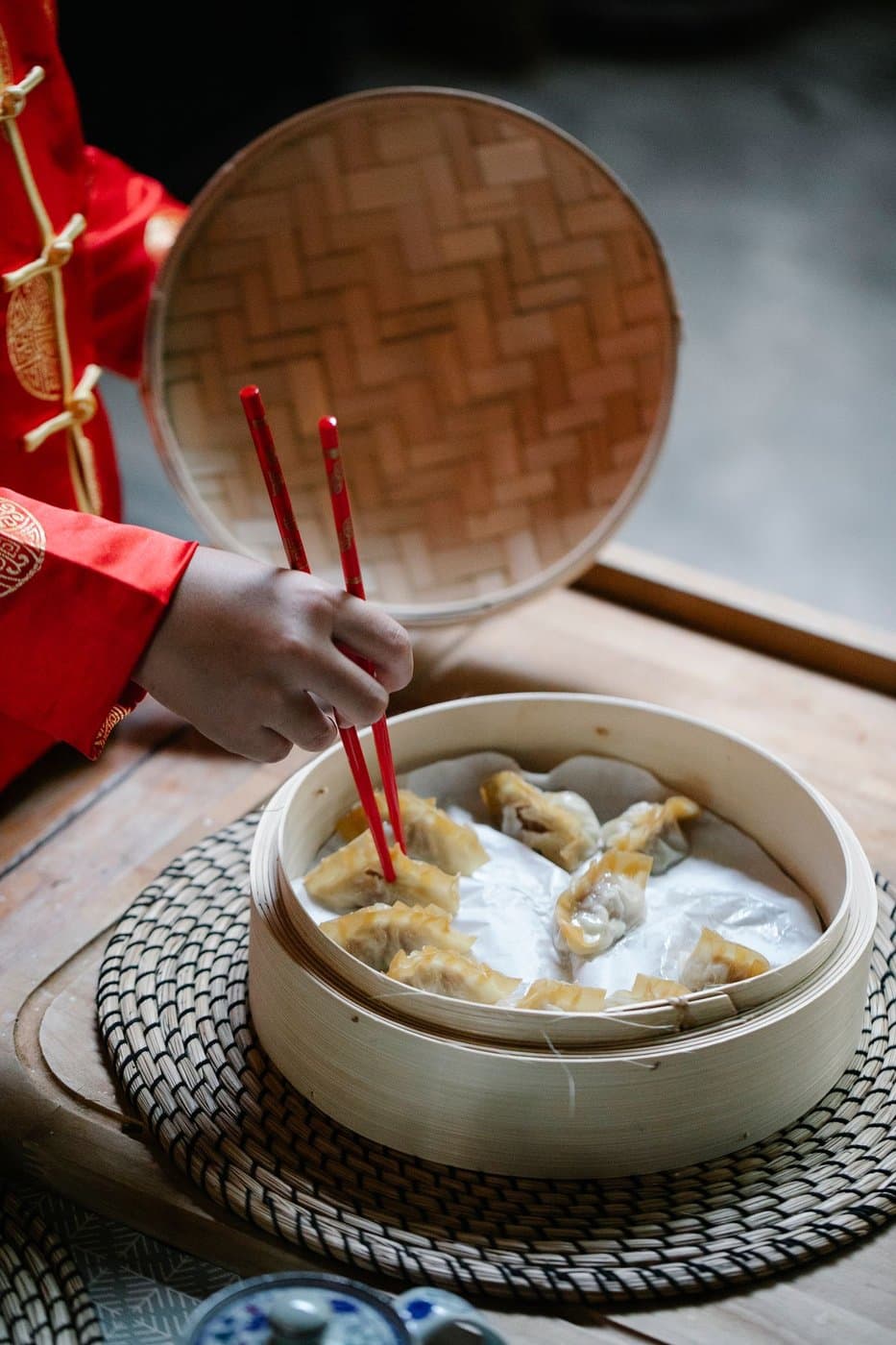
Thermoses expand options: soup, fried rice, noodles, dumplings. Preheat the thermos with hot water so food stays warm past recess. Warm lunch can feel like a hug.
Balancing heritage food and school practicality
Some foods travel better than others. Seaweed, cut fruit, onigiri, spring rolls, chicken skewers, egg rolls, and pasta with sauce often work well. Very strong-smelling dishes may draw comments in tight cafeterias, not because they are bad, but because kids are immature.
That does not mean hiding your culture. It means strategizing with your child. Maybe kimchi stays a dinner food for now. Maybe pickles go in a side cup with a lid. Maybe you send enough to share once in a while when your child wants pride, not protection.
Ask what happened at the table. Adjust together. Lunch should not become a daily fight at home.
When your child asks for "normal" lunches
Hearing "Can you pack what everyone else has?" can hurt. It does not mean your child rejects you. It often means they want social ease.
You can compromise without erasing yourself. PB and jelly on Monday, leftover teriyaki on Tuesday. Crackers and cheese plus mango slices. A lunch that blends familiarity at school with familiarity at home.
Talk about difference with honesty. "Some kids have not seen this food before. That does not make it wrong. You can answer questions or ignore them." Give them language and an exit plan.
Handling teacher and cafeteria dynamics
Know your school's rules about nuts, heating food, and time limits. If a teacher has commented on lunch in a shaming way, address it calmly. Food policing lands hardest on immigrant and Asian kids.
If lunch periods are too short, pack finger foods that can be eaten quickly. If lines are long, make sure your child knows what to eat first.
For picky eaters, prioritize calories and calm over ideal plates. A lunch eaten is success.
Small touches that land big
A napkin note, a sticker, a fork from home, a sauce packed with care. These say someone thought about you.
If you miss a day and school lunch happens, no catastrophe. Your child will remember the overall feeling of being cared for, not every single Thursday.
Packing lunch is repetitive work. It is also one of the most intimate routines of the school year. When you fill a box with food that feels like home, you are reminding your child they belong to a story worth carrying into the cafeteria.
Let children pack one item themselves, even if it is messy. Ownership makes lunch feel chosen, not assigned.
Allergy notes, cafeteria politics, and growing independence
As kids age, lunch becomes social currency. Talk about sharing, trading, and peer comments before they happen. Role-play confident responses. "No thanks, I like this." "My mom made it for me."
If your child has allergies or religious dietary needs, coordinate with the school nurse and teacher early. Asian families sometimes get pressure to "just try" foods at parties. Clear written plans protect kids who cannot bend for politeness.
Middle school may bring more cafeteria independence. Gradually teach your child to assemble simple lunches, read labels, and advocate for themselves. The lunchbox is a small training ground for bigger self-trust later.
Seasonal swaps that keep lunch interesting
Rotate fruits by season so lunchboxes feel alive without extra work. Mandarins in winter, berries in summer, apple slices in fall. Seasonal rhythm teaches kids that food has a calendar, not only a drive-through.
Swap one main item weekly: rice balls, wraps, pasta, leftover stir fry. Predictable structure with small variation prevents boredom on both sides of the lunchbox.
Ask your child which swap they want. Choice reduces rejection and makes lunch a conversation instead of a command.
Lunch as cultural pride on good days
Some days your child will want to share food proudly. Pack a little extra. Include a fun fact card about the dish if they like performing.
Pride days and survival days both exist. Flex the lunchbox to match their social energy, not only your ideals.
Ask after school which kind of day it was. Adjust without shame.
If they want to bring a friend home to try a dish, say yes when you can. Shared meals build pride faster than arguments about assimilation.
Lunchbox choices are small daily votes about identity. Let your child cast some of those votes themselves as they grow.
Hydration and small comforts
Include a thermos of warm tea or broth in cold months if your school allows it. Warm drinks change the feel of a long day.
Add a small napkin note on hard weeks only so it stays special.
Comfort is strategic. A cared-for lunch helps kids regulate before afternoon learning.
Weekend prep as family time
Spend twenty minutes Sunday packing two days ahead with music on. It is not a factory shift. It is a small weekly rhythm.
Kids who pack on Sunday often eat better on Tuesday because the box was made with calm hands.
Batching reduces morning shame spirals when you are running late again.
A closing reminder
Lunch is love in a box. Imperfect, repetitive, and deeply real.
Your child will remember that you tried, especially on the days when packing felt like one task too many.
Leftovers are heritage
Dinner leftovers often make the best lunchboxes because they carry last night's togetherness into tomorrow's cafeteria. Pack confidently.
If your child worries about smell, use insulated containers and napkins.
Leftovers reduce waste and tell a story of continuity: our food does not disappear when the clock strikes bedtime.
Involving non-Asian caregivers
If grandparents or nannies pack lunch, share clear photo examples of portions and foods your child eats.
Miscommunication about lunch creates school-day stress.
Caregivers often appreciate specifics rather than vague instructions about healthy food.
Practice opening containers at home
Young kids struggle with lids and thermoses. Practice opening at home so lunch is not a public struggle.
Independence at the lunch table protects dignity.
Five minutes of practice Sunday prevents cafeteria embarrassment Monday.
Water bottle and napkin rituals
A clean water bottle and folded napkin signal care as much as the main dish. Refill bottles nightly.
Small rituals reduce morning chaos because they are automatic.
Your child notices consistency even when they forget to say thank you.