
Parenting in Asian and White families
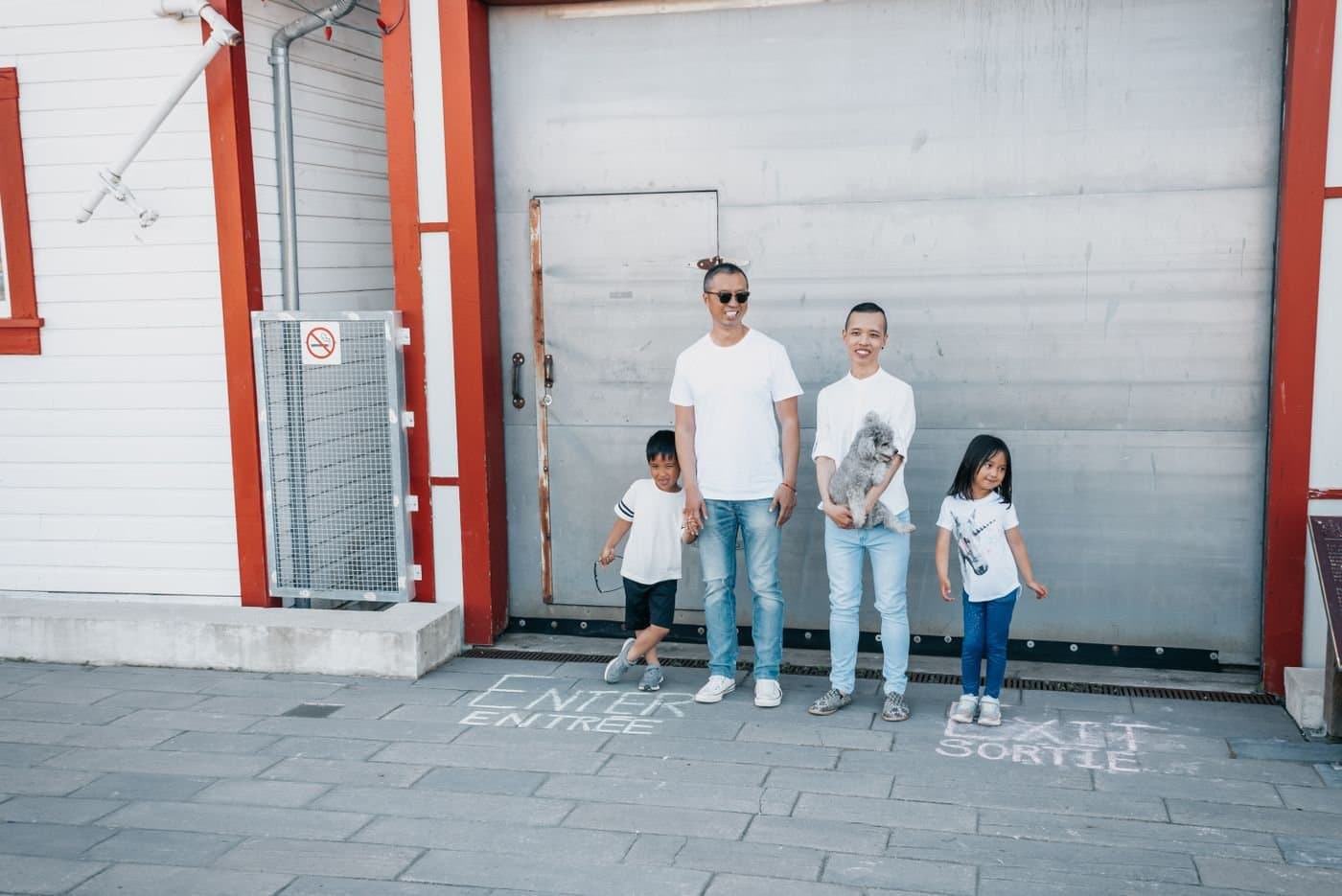
What may come up in family life
- Sharing cultural labor between partners
- Language exposure when one parent is monolingual
- White extended family bias and microaggressions
- Asian in-law expectations and boundaries
- Holiday calendars that honor both sides
- Mixed appearance and stranger comments
Language and food
When one parent does not speak a heritage language, kids still benefit from hearing it through media, relatives, and structured routines. Encourage the non-Asian parent to learn food names and basic phrases as an act of partnership, not performance. Blend meals rather than segregating Asian food to special occasions only. White ethnic traditions from Italian, Irish, Polish, or other backgrounds deserve equal warmth if they matter to your partner. St. Patrick or Polish Wigilia alongside Lunar New Year teaches that both sides are real culture, not tourist events. Both partners should grocery shop in Asian markets and European specialty stores with kids so neither aisle feels foreign. Avoid calling Asian food smelly while praising European foods as normal default at extended family tables. Small repeatable rituals beat rare cultural performances that exhaust everyone. Let kids lead one choice each month, from recipe to music to holiday decoration. Rotate who chooses dinner music or weekend outing culture so no heritage feels like homework for only one parent or child. School lunch and party seasons need planning for dietary and modesty needs. Notify teachers early with simple notes your child can repeat. Grandparents overseas can record recipe videos for playback during cooking nights when live calls are hard to schedule across time zones. There is no single correct pace for passing down culture across generations in North America.
Grandparents and expectations
White grandparents may make exoticizing comments about Asian culture while Asian grandparents may question the marriage or child's appearance. Both partners must respond when their side causes harm. Set visit limits if needed. Explain to kids that adults are learning too. When grandparents live far apart, balance travel and video time so children feel connected to both lineages. White relatives asking to touch hair or comment on eye shape need correction every time. Document racist comments so patterns are visible to reluctant partners who did not hear them. Model correcting racist jokes at White family tables even when Asian partner is absent. Kids are listening. Gratitude and boundaries can coexist. Thank elders for sacrifice while naming what your children need now before conflict peaks at gatherings. When elders visit long term, renegotiate house rules kindly at the midpoint of the stay so resentment does not build silently. Cousin comparison and WhatsApp group chatter hurt silently. Mute threads or set boundaries when praise becomes a ranking system for children. When relatives ask intrusive questions at checkout lines or family dinners, practice short answers your child chooses in advance. Start where you are with what you have. Neighbors, online groups, and one elder on video call can anchor a childhood.
School and identity
Mixed Asian White children are often read as ambiguous and questioned constantly. Prepare simple answers your child chooses, not scripts you impose. Discuss privilege and racism honestly as they grow. Asian heritage should not be treated as optional flavor while Whiteness is assumed default. Teachers may expect your child to represent Asian culture in projects. It is okay to decline. Both partners should attend school meetings when identity or racism topics arise. Mixed kids may be invited to speak on Asian heritage panels. They can decline. Support whatever identity language they use in each season of life. Discuss how Whiteness and Asianness may affect siblings differently when appearances differ within one family. Belonging grows through steady adult curiosity about daily life, not only through heritage classes or grades alone. Ask teachers to pronounce names correctly and include your child whole story when diversity units flatten Asian experience into one slide. Identity language may change each year. That is normal, not betrayal of either parent or community. Steady warmth over years matters more than perfect fluency or performance for relatives.
Recommended guides
A few starting points from our library for this part of family life.
When One Parent Is Asian and the Other Is White
Your child sits at a crossroads you and your partner navigate daily. How to build a family culture that honors both sides without forcing a false split.
Leah Chen · 6 min read

When Your Non-Asian Partner Doesn't Share Your Family Obligation
You were raised to show up for elders. Your partner was raised to build a separate household. Neither is wrong, but the gap can feel lonely.
Leah Chen · 6 min read

Which Holidays Do We Celebrate?
Lunar New Year, Christmas, Diwali, Thanksgiving, Eid: mixed families often inherit more than one calendar. How to choose without guilt or exhaustion.
Leah Chen · 6 min read
How to Keep Language Alive at Home
Practical ideas for bilingual and heritage-language families without guilt, perfectionism, or treating fluency like the only proof of love.
Leah Chen · 7 min read
Raising Mixed Kids When Relatives Make Clumsy Comments
Aunties mean well. Cousins joke. Grandparents forget filters. Here is how to protect your child without cutting off the whole family tree.
Leah Chen · 7 min read

How to Talk About Race and Identity With Young Kids
Age-appropriate starting points for conversations about skin tone, belonging, difference, and pride without overwhelming young children or yourself.
Leah Chen · 6 min read

When Your Partner Won't Stand Up to Their Parents
You need a united front with in-laws, but your partner goes quiet every time their parents push. How to respond without turning marriage into a battlefield.
Anjali Mehta · 7 min read