
Parenting in Taiwanese American families
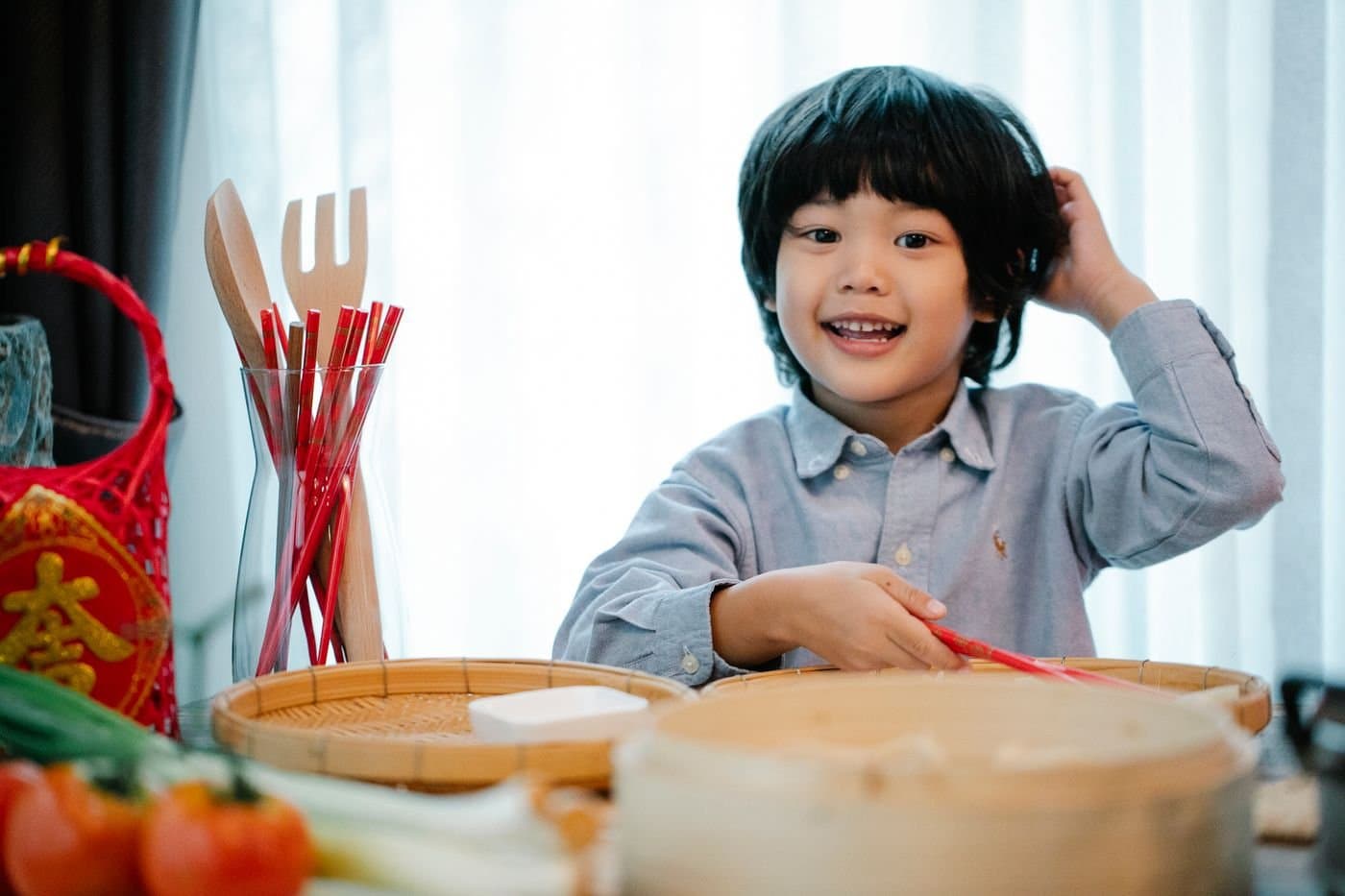
What may come up in family life
- Mandarin, Hokkien, and heritage language choices
- Lunar New Year, Dragon Boat Festival, and family rituals
- Naming Taiwan and navigating identity questions with care
- Grandparents, aunties, and intergenerational expectations
- Academic pressure and balancing enrichment with play
- Connection to Taiwan through food, travel, and community
Language and food
Language at home may include Mandarin, Taiwanese Hokkien, Hakka, or English depending on generation and region of origin. Some parents worry that English dominance means losing Taiwan. Others find that short phrases during meals, bedtime stories, and video calls with relatives keep bonds alive. Weekend language schools and cultural camps help, but burnout is real when kids already have homework and activities. Food is often the most joyful connector. Beef noodle soup, lu rou fan, oyster omelets, and pineapple cakes vary by family and county. Let kids help shop at Asian markets and choose a dish to learn. Bubble tea and night market snacks can be entry points for teens who resist formal lessons. Respect that your child's relationship to Taiwan may differ from yours, especially if they have never visited or feel awkward about political questions from peers. Document family recipes with the names elders use, even when romanization differs from what schools teach. Consider Taiwanese American youth groups and night market festivals in your city as low-pressure entry points. If your child resists calling themselves Taiwanese in certain settings, ask what feels hard rather than arguing. Bubble tea and night market snacks can be teen entry points when formal lessons fail. Document romanization elders prefer on recipe cards. Small repeatable rituals beat rare cultural performances that exhaust everyone. Let kids lead one choice each month, from recipe to music to holiday decoration.
Grandparents and expectations
Taiwanese grandparents may express love through food, frequent calls, and strong opinions about school and manners. Long-distance relationships are common, which can mean late-night video chats and guilt about visits not happening often enough. Elders who lived through martial law or major transitions may have parenting styles that feel strict or emotionally reserved. Context helps, but it does not require accepting hurtful comments about weight, gender, or career choices. When grandparents visit for extended stays, discuss house rules early. If elders help with childcare, clarify what decisions they can make without checking with you. Sensitive topics around cross-strait identity may surface at family gatherings. Decide in advance how you will redirect or protect kids from arguments that are not theirs to resolve. Partners from non-Taiwanese backgrounds may need context about why certain names or flags feel sensitive before large gatherings. If grandparents split time between Taiwan and your home, plan re-entry routines for sleep and homework. Thank elders while holding boundaries that protect your marriage and parenting partnership. Cross-strait arguments at tables are not for children to resolve. Plan a redirect phrase and a quiet activity for kids when talk gets hot. Gratitude and boundaries can coexist. Thank elders for sacrifice while naming what your children need now in plain language before conflict peaks at gatherings.
School and identity
Taiwanese American kids may be grouped broadly as Chinese in school forms and social settings even when your family uses different language and identity words at home. Teach children comfortable ways to describe their background if they want to. They should know they can ask you when classmates or adults ask confusing questions. Model pride without requiring them to educate everyone. Academic expectations vary by family, but tutoring pressure and comparison to cousins remain common stress points. Validate effort and character, not only scores. If your child is among few Asian students in class, build friendships and mentors inside and outside school. Heritage programs can provide peers who share similar home lives, though not every program fits every temperament. Summer visits to Taiwan can boost language and belonging when they feel chosen, not forced. College counseling may reflect immigrant sacrifice narratives. Support ambition while naming that rest and joy are not betrayals of family. Connect with Taiwanese student associations when your teen is ready. AP stacking may feel default. Discuss alternatives openly. Summer Taiwan visits should feel chosen, not punishment for grades. Belonging grows through steady adult curiosity about your child daily life, not only through heritage classes or grades on report cards alone.
Recommended guides
A few starting points from our library for this part of family life.
How to Keep Language Alive at Home
Practical ideas for bilingual and heritage-language families without guilt, perfectionism, or treating fluency like the only proof of love.
Leah Chen · 7 min read
Bilingual Baby Routines Without Perfection
Raising a bilingual baby when relatives monitor language like a report card.
Leah Chen · 6 min read
Grandparents, Guilt, and Love Languages That Do Not Always Match
Grandparents may show love through food, money, advice, or presence. When their love language clashes with your parenting, guilt follows. How to navigate it.
Anjali Mehta · 7 min read

The First Year With Baby When Family Is Far Away
Raising a baby an ocean away from grandparents, aunties, and the village you wish were next door.
Sofia Reyes Tan · 7 min read
Education Without Turning Childhood Into a Resume
How to honor your family's belief in education without letting every childhood year feel like preparation for a college application.
Grace Liu · 6 min read
Building Family Traditions That Actually Fit Your Life
Creating rituals that honor your heritage without feeling performative, exhausting, or like you are failing a test every holiday season.
Yumi Sato · 7 min read
When Your Child Is the Only Asian Kid in Class
Being the only one is a common experience for Asian American kids. Here is how to support identity, belonging, and everyday confidence at school.
Mina Han · 6 min read